
A case study video is one of the most persuasive things you can put in front of a prospect. A real customer, in their own words, explaining the problem you solved beats any amount of marketing copy. The hard part is rarely the filming. It is getting the client to agree to be on camera in the first place. If you have ever had a great customer go quiet the moment you mention a video testimonial, this guide is for you.
We have filmed case study videos for 20-plus years, across corporate, technology, events and pharmaceutical clients, and the pattern of what makes people say yes is remarkably consistent.
Why clients hesitate
Before you can fix the no, you have to understand it. Most reluctance comes down to a few predictable fears:
- Time. They assume it will eat a whole day they do not have.
- Looking bad. They worry about being awkward, saying the wrong thing, or not being “a natural on camera”.
- Loss of control. They do not know what you will do with the footage or whether they will see it before it goes out.
- Compliance. In regulated sectors, someone in legal or marketing has to approve any external statement.
Every one of these is answerable. The yes comes from removing the friction, not from pushing harder.

Make the ask easy to say yes to
Lead with what is in it for them
A case study is not only your marketing. It is free exposure for your client, a polished piece of content they can share, and a credibility boost for their own brand. Frame the ask around their benefit, not yours. Offer them the finished film to use on their own channels. Suddenly it is a favour you are doing them, not one they are doing you.
Shrink the time commitment
Promise a specific, small window and keep it. “We need 45 minutes of your time, at your office, on a day that suits you” is far easier to accept than an open-ended request. When you honour that promise, you also earn the next yes from the next client, because word gets around.
Take the pressure off performance
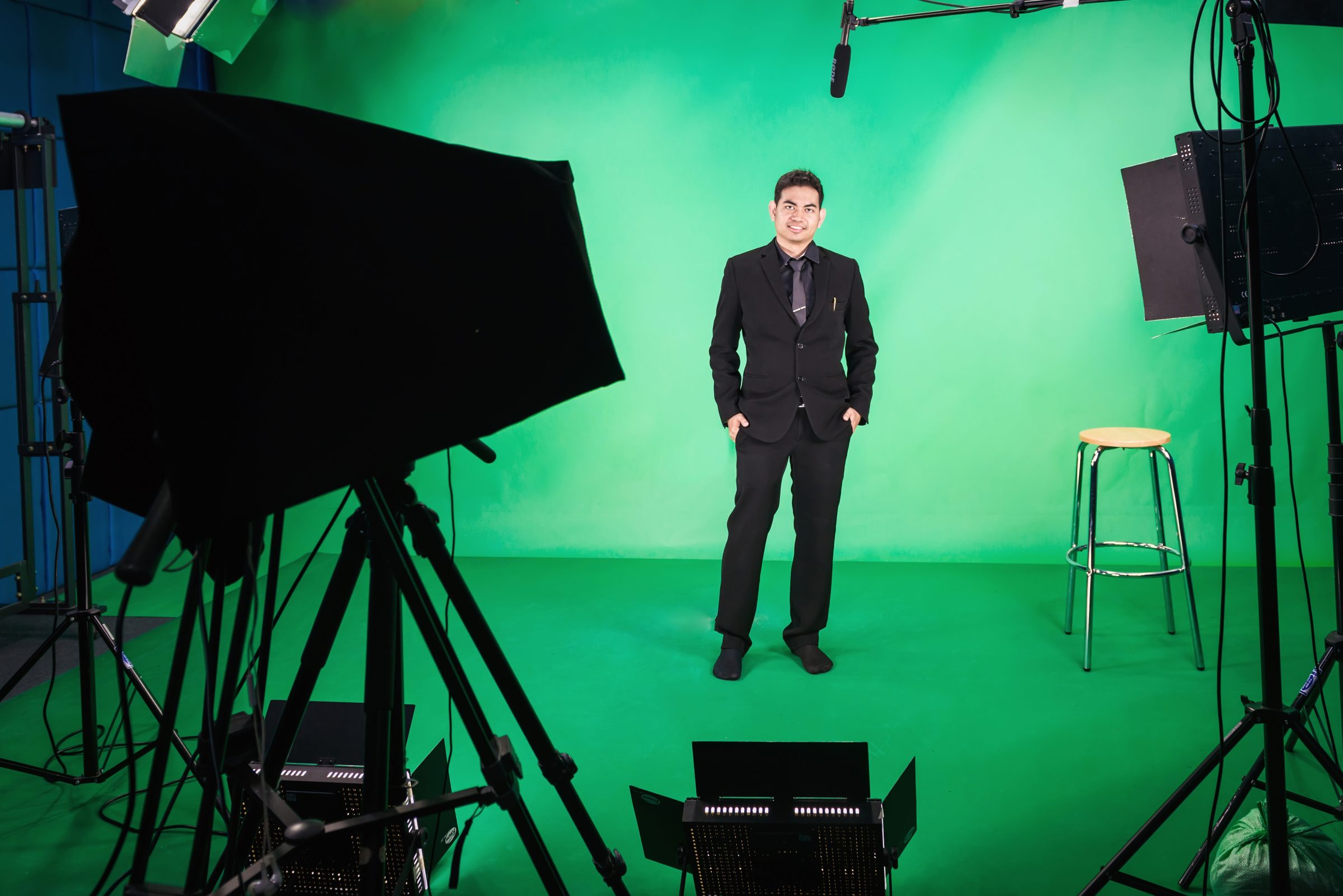
Most people are terrified of being boring or stiff. Reassure them that it is a conversation, not a scripted monologue, and that we edit out the ums, the false starts and the bits they fluff. Nobody appears on screen looking anything less than articulate. That single reassurance unlocks more yeses than anything else.
Give them control
Control is the quiet dealbreaker. Hand it back and resistance melts.
- Share the questions in advance. Six or seven conversational prompts, sent a few days ahead, let people think without over-rehearsing.
- Promise approval rights. Tell them they will see the edit before anything is published, and that nothing goes live without their sign-off. For regulated sectors this is non-negotiable anyway, so make it a selling point.
- Be clear about usage. Spell out where the video will appear and for how long. Ambiguity breeds anxiety.
Timing the ask
The best moment to ask is right after a win, when the client is delighted with the result and the value is fresh in their mind. If you wait until the relationship has cooled into business-as-usual, the enthusiasm has gone. Build the request into your account management rhythm so it lands at the peak of goodwill.
Make the shoot painless
Your reputation for being easy to film with is what secures the next participant. On the day:
- Keep the crew small and unobtrusive.
- Set up quickly and film at their place of work so they are on home turf.
- Start with warm-up chat before the camera matters, so nerves settle.
- Wrap on time, exactly as promised.
A client who had a good experience becomes your best recruiter for the next one.
The short version
Getting a client to say yes to a case study video is about removing fear, not applying pressure. Lead with their benefit, keep the time small and honour it, reassure them they will look good, give them the questions upfront and promise approval before anything is published. Ask at the moment of peak goodwill, then make the shoot so painless they would do it again.
If you want case study videos that your customers are genuinely happy to appear in, tell us about your project or call 02380 016560. We handle the filming, the reassurance and the approvals so you can focus on choosing the right stories to tell.