
Aviation filming looks spectacular on screen and deceptively simple from the outside. Point a camera at an aircraft, add some drone shots, cut to music. In reality it is one of the most logistically demanding environments a production crew can work in, and the difference between a smooth shoot and a cancelled one comes down to planning you have to do weeks in advance. If you are commissioning aviation video, here is what most people underestimate.
We have filmed in and around aviation and other controlled environments for over 20 years, working out of Southampton and across the UK. The footage is worth it. The groundwork is non-negotiable.
Access is the project, not a formality
On a normal corporate shoot, access means someone unlocks a meeting room. In aviation it means clearing a sequence of gatekeepers, any one of whom can stop the shoot.
- Airside passes and escorts. Filming beyond the terminal usually requires vetted passes, a security briefing and a permanent airside escort for every crew member. That takes lead time and paperwork, not a phone call on the morning.
- Operator and airline permissions. The airport controls the site, but the aircraft operator controls the aircraft. You often need both to agree, in writing, before anything happens.
- Restricted zones and timing windows. Live aprons, fuel areas and taxiways are tightly controlled. You film in the gaps around operations, not whenever suits the shot list.
Underestimate access and you do not get a worse video. You get no video, because you cannot get through the gate.
Safety sets the rules, and they are not yours
In most environments the production company runs the shoot. In aviation, the site’s safety regime runs you, and you adapt.
- High-vis, PPE and apron discipline are mandatory, and crew who ignore them get removed.
- No kit left unattended. FOD, foreign object debris, is a genuine hazard to aircraft. A dropped lens cap on a runway is a serious incident, not a minor slip.
- Noise and radio protocols. You may need to brief on hand signals because you simply cannot hear on a live apron.
A crew that already understands these rules is worth far more than one learning them on the day, because the site’s safety team can tell the difference immediately and will grant trust accordingly.
Drone work: expect more, not less, regulation
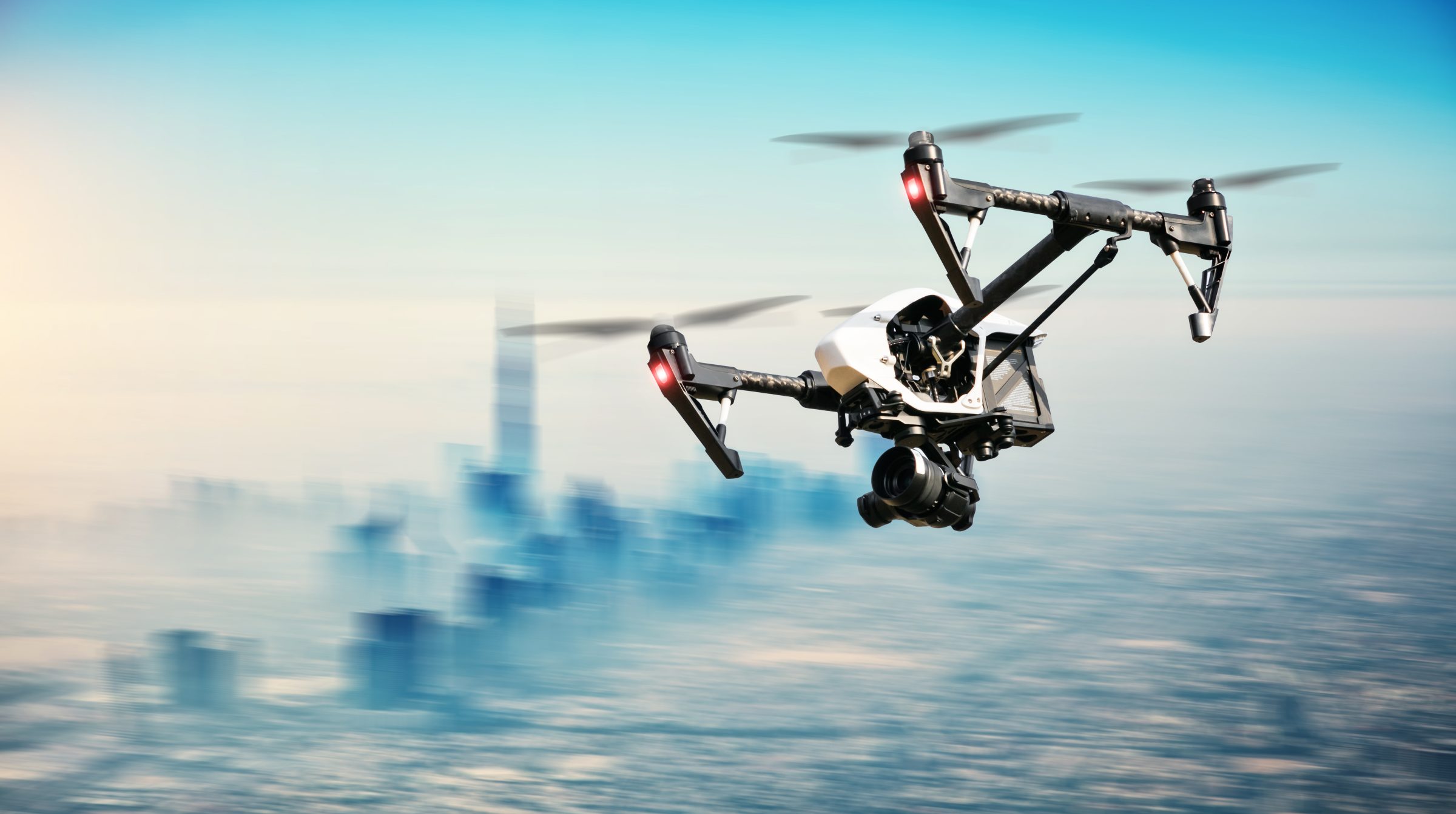
Aerial shots are often the reason a client wants aviation filming, and they are the most heavily regulated element of all. Near an airfield you are dealing with controlled airspace, which means coordination with air traffic control and operating authorisations well beyond standard rules.
Our drone operations are CAA-licensed, which is the baseline, but the real work near aviation sites is the airspace coordination. That is planned weeks ahead, not booked the week before. Anyone promising casual drone footage over a live airfield at short notice does not understand the environment.

Planning: the part that earns the footage
The visible day of filming is the smallest part of an aviation project. The work that makes it possible happens in the preceding weeks.
- Recce the site. Light changes, aircraft move, and apron layouts are not obvious from a map. A recce turns guesses into a workable shot list.
- Build in contingency. Weather, delayed aircraft and operational priorities will move your plan. A realistic schedule has slack; an optimistic one collapses the first time a flight is late.
- Confirm everything in writing. Verbal yeses evaporate under pressure. Written permissions protect the shoot when a new shift supervisor asks who authorised the crew on their apron.
- Brief the crew properly. Everyone on the team should know the safety rules, the escorts, the timing windows and the fallback plan before they arrive.
What this means for your budget and timeline
Aviation filming carries more pre-production than almost any other sector, and that planning time is a real cost rather than padding. It is also what guarantees you come away with usable footage instead of an expensive cancelled day. Build in weeks of lead time, not days, and treat the access and safety groundwork as the foundation of the whole project.
The short version
Aviation filming rewards you with footage you cannot get anywhere else, but only if you respect the three things people underestimate: access is a multi-party clearance process with real lead time, safety rules are set by the site and are absolute, and drone work near airfields is the most regulated part of all. Plan in weeks, confirm in writing, and use a crew that already knows the environment.
If you are planning an aviation or controlled-environment shoot, talk to us early or call 02380 016560. The sooner we start the access and safety planning, the better the footage, and the lower the risk of a wasted day.