
Most companies pour their budget into one polished hero film, upload it to LinkedIn or Instagram, and wonder why it lands with a thud. The film is fine. The format is wrong. On social feeds, a two-minute landscape brand film is fighting a losing battle against how people actually watch. Vertical video — short, subtitled, built for a thumb-scrolling audience — consistently outperforms it, and it does so for reasons that have nothing to do with production quality.
If you are investing in video and only getting a fraction of the reach you expected, the problem is usually distribution format, not the footage itself. Here is what actually works on social, and why.
The feed is vertical, so your video should be too
Phones are held upright. On Instagram, TikTok, and increasingly LinkedIn, vertical clips fill the entire screen, while a landscape video sits in a small letterboxed strip with dead space above and below. That difference is not cosmetic. A full-screen vertical clip commands attention; a shrunken landscape one invites a scroll.
Platforms know this. Their algorithms surface content that keeps people watching, and full-screen vertical formats hold attention longer by default. You are not just designing for the viewer — you are designing for the distribution system that decides who sees it at all.

Subtitles are not optional
The single biggest mistake we see is publishing social video without captions. The overwhelming majority of social video is watched with the sound off — in offices, on commutes, in bed late at night. If your message lives in the audio, most of your audience never receives it.
Burned-in subtitles fix this instantly. They:
- Deliver your message even on mute
- Improve accessibility for deaf and hard-of-hearing viewers
- Increase watch time, because viewers can follow along without committing to sound
- Reinforce key phrases visually, which aids retention
Get them styled properly — clean, legible, on-brand, timed tightly to the speech. Auto-captions straight off the platform are a starting point, not a finished job; they mangle names, jargon and punctuation. A production company will caption accurately and make them look deliberate rather than bolted on.
Hook in the first three seconds or lose them
A hero film can afford a slow, cinematic build. A social clip cannot. People decide whether to keep watching almost instantly, so the first three seconds have to earn the next thirty. Open on the most interesting moment, a bold claim, a surprising visual, or the question your audience actually has. Save the logo sting and the sweeping drone establisher for somewhere they belong.
This is a genuinely different edit, not a crop. Taking a landscape hero film and squeezing it into a vertical frame rarely works — heads get cut off, wide shots lose their subject, and the pacing is all wrong for the feed. The strongest results come from either shooting with vertical framing in mind or re-editing purposefully for the format.
One shoot, many clips
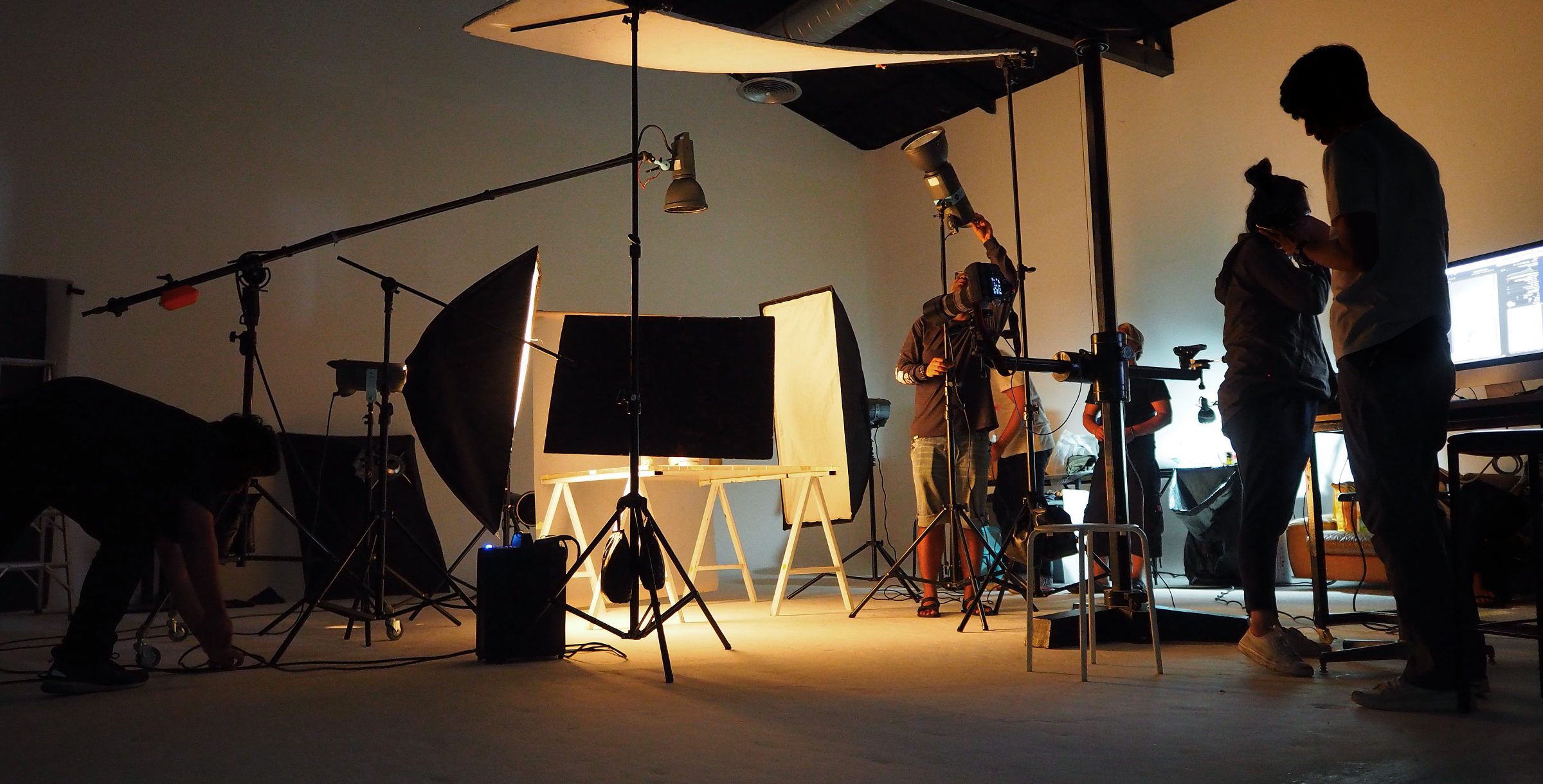
Here is the commercial argument that usually lands. A single day of filming rarely needs to produce a single asset. The same interviews, b-roll and location footage can be cut into your hero film and a run of short vertical clips — a punchy statistic, a customer quote, a behind-the-scenes moment, a single tip. Each becomes its own post.
That turns one production cost into weeks of content. It keeps your feed active without booking a crew every fortnight, and it lets you test which messages resonate before you commit budget to the next big push. When we plan a shoot for a client, we plan for both outputs from the start — capturing the extra angles and moments that make good short clips, not just the ones that serve the main film.
What “good” looks like on social
Keep clips short — often 15 to 45 seconds. One idea per clip; do not try to say everything at once. Brand it lightly rather than plastering it, so it reads as content and not an ad. And make sure it stands on its own, because most people will see it with no context beyond the first frame and the caption.
None of this means the hero film is wasted. It has its place — on your website, in a sales meeting, at an event. But if reach on social is the goal, the vertical, subtitled, feed-native clip is the workhorse that actually does the job.
Getting it right
The companies winning on social are not necessarily the ones with the biggest budgets. They are the ones matching format to platform: vertical framing, confident subtitles, a hook that respects how little patience a feed allows, and a plan to get many clips from one shoot.
If you are sitting on footage that never quite performs, or you are planning a shoot and want it to feed both a hero film and a month of social clips, we can help you plan it properly from the outset. Call us on 02380 016560 or request a quote and tell us where your videos need to work.